The 3-Day Amsterdam Itinerary a Local Would Plan
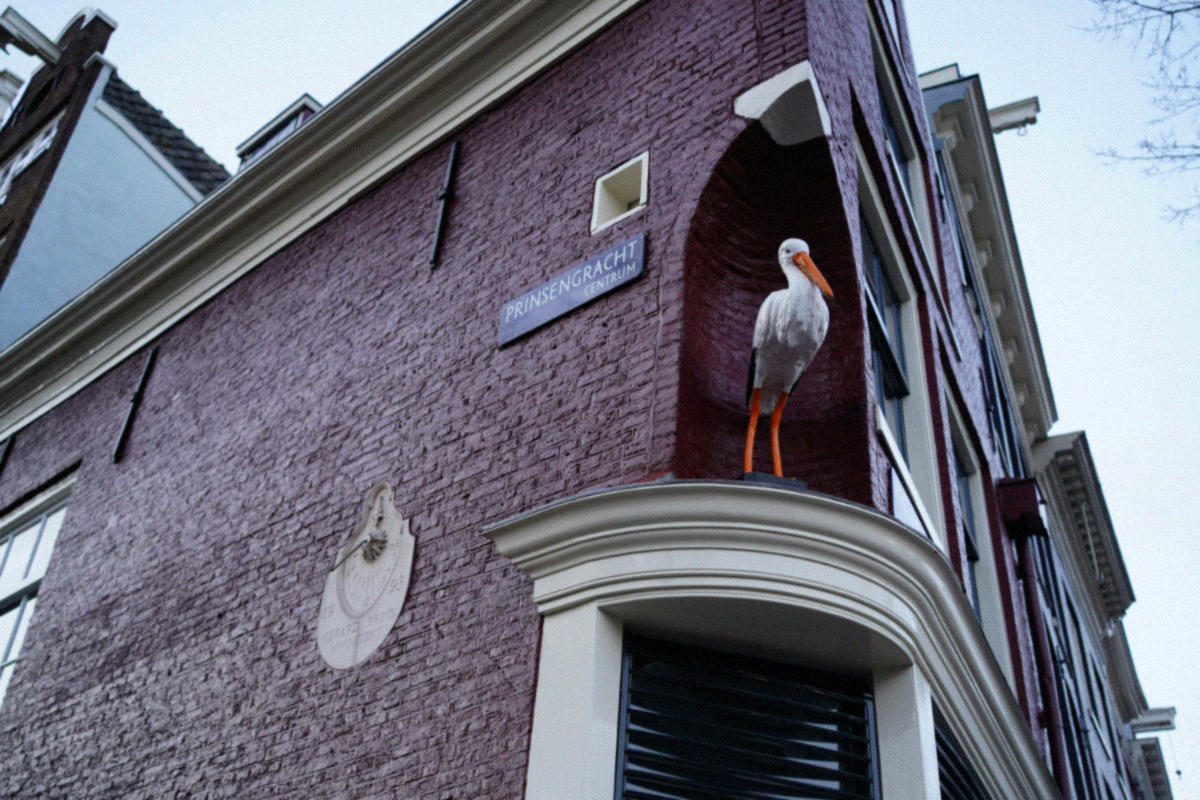
Most three-day Amsterdam itineraries send you in circles around the same square kilometre: the Anne Frank queue, a glass-topped canal cruise, the flower market, a “brown café” that has not served an actual local since 2011. You can tick off all of it and somehow miss the city entirely. This is the version a local would actually plan, with the famous things done at the right hour and the rest of your time spent where Amsterdam genuinely happens.
Amsterdam is small, flat, and stitched together by one of the best transport networks in Europe, so three days is plenty to see it well. The trick is not cramming. The mistake nearly every itinerary makes is stacking the centre with ten must-sees and leaving no room for the thing that actually makes a trip: an afternoon that drifts somewhere you did not plan.
So this is built around one idea per day, one loose neighbourhood anchor, and a lot of deliberate slack. Book the two or three things that genuinely sell out. Leave the rest open.
How to think about three days in Amsterdam
- Book the museums, skip the queues. The Rijksmuseum, the Van Gogh, the Stedelijk: reserve a time slot online before you fly. The lines you see outside are people who did not. The Van Gogh regularly sells out days ahead in summer.
- Rent a bike on day one. Walking Amsterdam is slow and quietly frustrating. The whole city is built for two wheels, and even nervous cyclists find their nerve within an hour.
- Use the centre sparingly. The canal ring is genuinely beautiful and worth an hour. It is not worth your lunch, your dinner, or your evening: prices are inflated and every third shopfront is a waffle.
- Keep one slot empty each day for whatever is on. A gig, a flea market, a lunchtime concert. The best part of any trip is usually the part you did not schedule.
Day one: the centre, done right
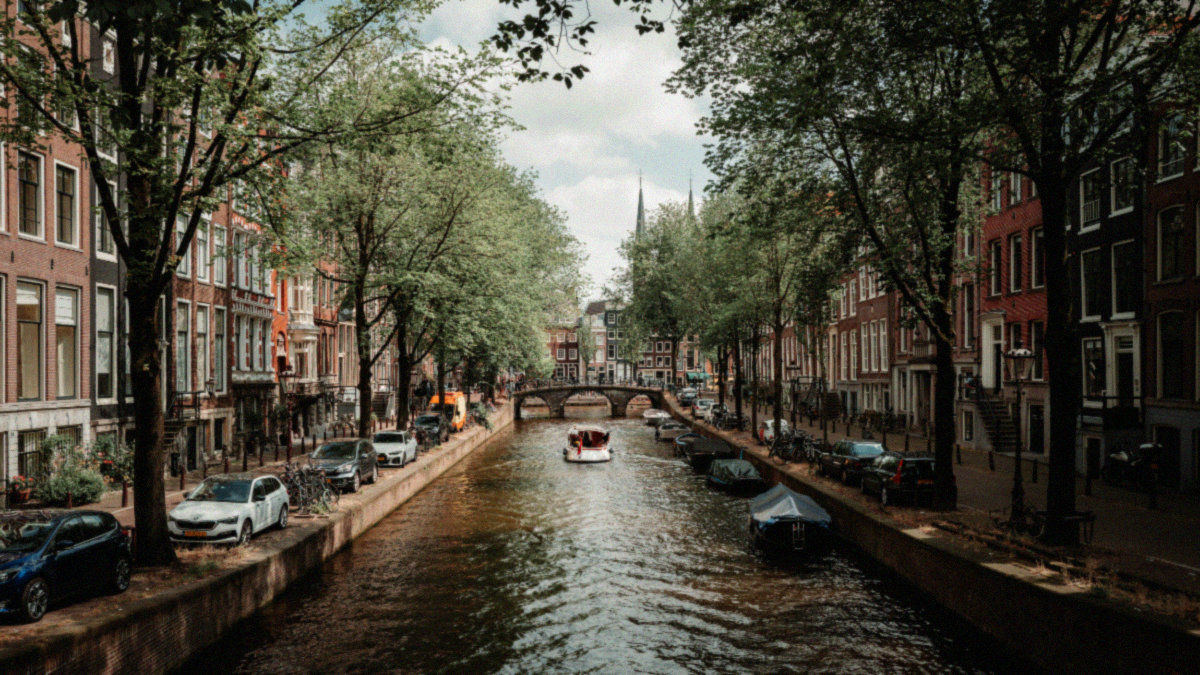
Start before the city wakes up. Walk the Prinsengracht at seven in the morning, before the tour boats, when the light lies flat on the water and you get long stretches of canal to yourself. This is the postcard Amsterdam, and at that hour it earns every bit of its reputation.
Mid-morning, head to Museumplein for the one big museum you booked. Pick one, not three: the Rijksmuseum if you want the Dutch masters in a building that is a masterpiece in its own right, the Van Gogh if you want the finest collection of his work anywhere. Give it two hours, not five. From September, the Concertgebouw around the corner runs free half-hour lunch concerts most weeks, which is one of the best free half-hours in the city if the timing lands.
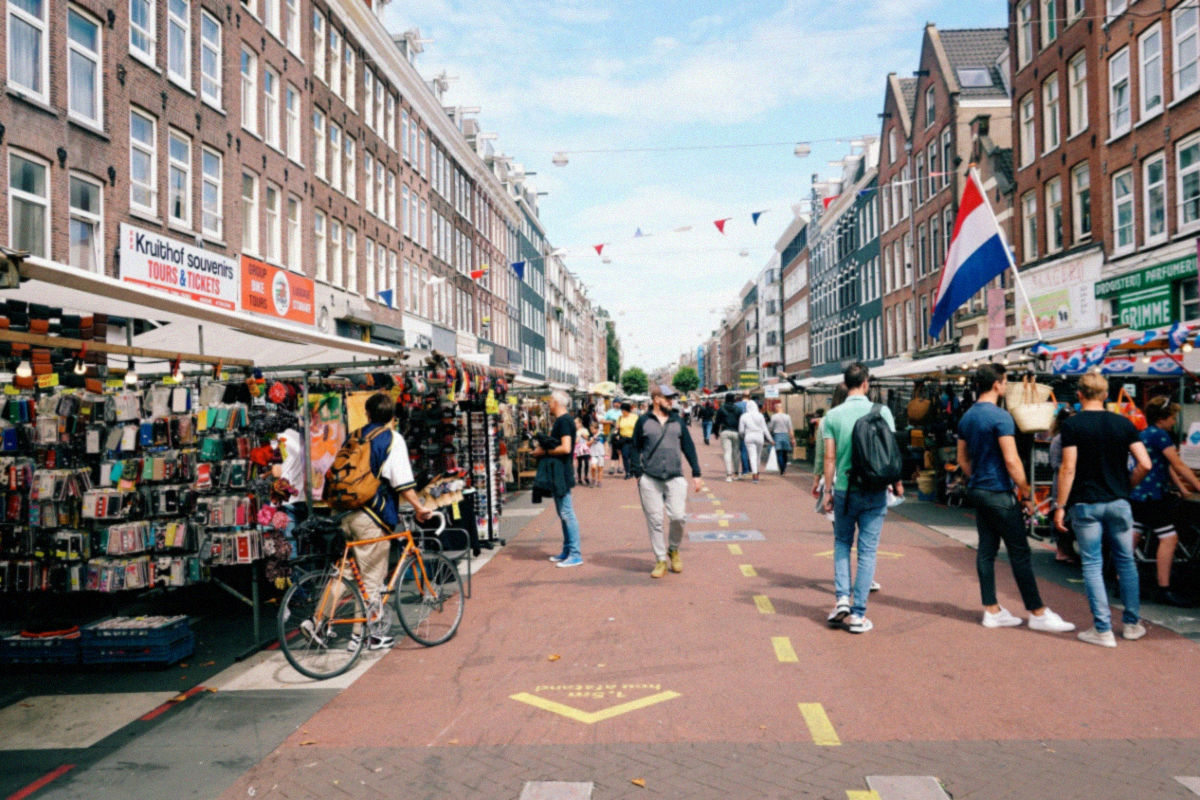
Then let the afternoon soften. Vondelpark is a five-minute walk and does exactly what a city park should. From there, drift south into De Pijp. The Albert Cuypmarkt is the city’s most famous street market and also its most touristy, so go before eleven, take it for what it is, and eat where the neighbourhood does: Warung Spang Makandra on Gerard Doustraat is tiny, cheap, and superb, a reminder that some of the best food in the Netherlands is Surinamese-Javanese.
Day two: Oost, where Amsterdam actually eats
This is the day the tourist itineraries never write, and the one you will remember.
Start in the east. The Dappermarkt is a proper neighbourhood market with almost no tourist performance to it. Get there by ten, while the stallholders still outnumber the shoppers, grab a Surinamese broodje, and walk it off along Javastraat through the Indische Buurt, past Turkish bakeries, roasters, and specialty grocers. Coffee at Rum Baba on the way is the local move.
Spend the middle of the day outdoors. Brouwerij ‘t IJ pours its own beer on a terrace beneath a real windmill on the eastern edge, and it fills the moment the sun comes out. Further east, Flevopark hides one of the best endings to an Amsterdam afternoon: ‘t Nieuwe Diep, a jenever distillery in a nineteenth-century pump house on a pond, pouring more than a hundred house-made spirits at tables right on the water. It shuts in the early evening, and that is the point. This is where an Amsterdam afternoon ends, not where a night begins.
For dinner, stay east. Wilde Zwijnen does modern, seasonal Dutch cooking; Rijsel is a French-Flemish rotisserie in a former schoolhouse; Roopram Roti is the bar every other roti in the city is measured against. None of them are near your hotel, which is exactly why they are good.
Day three: across the water to Noord
Amsterdam Noord was a working shipyard a decade ago. Now it holds most of the city’s creative energy, and getting there is free: the ferries behind Centraal Station run day and night, and the three-minute crossing with the skyline at your back is the best view in the city that nobody charges for.
On the far side, the NDSM Wharf is a cathedral-sized former shipyard full of studios and street art. STRAAT, the street-art museum in one of the old warehouses, is genuinely world-class. If your dates line up with IJ-Hallen, Europe’s largest flea market, clear a morning for it. We spent one there and filmed what it is actually like. It runs roughly every three weeks, so check ijhallen.nl for your weekend. Nearby, De Ceuvel is a circular-economy café built on houseboats along a cleaned-up canal, and it is closing for good in early 2027, so catch it while it is still there.
In the evening, the Hamerkwartier is where Noord comes alive: Oedipus, a brewery taproom that also houses a community radio station, and Skatecafé, where you eat beside a working skate ramp before the room turns into a club. For something calmer, Hotel de Goudfazant does serious French cooking in a vast warehouse on the water, and it is not, despite the name, a hotel.

A few things that make it work
- The ferries and trams. Tap a contactless card on the trams and metro, or pick up a rechargeable OV-chip. The free IJ ferries need nothing at all.
- Book the museums, always. It is the single biggest time-saver of the whole trip.
- Dutch directness is a feature. Ask a shopkeeper or the next table for a recommendation and you will get an honest one, not a polite one.
- Leave room. If you plan every hour, you will spend the trip managing a schedule instead of being somewhere.
The honest limit of a guide like this
This is the free version, and it is a good one: a real framework, real places, no tourist traps. What it cannot do is know you. It does not know whether your idea of a great afternoon is a record shop or a long lunch, whether someone in your group flatly refuses to queue for a museum, how far you actually like to walk before you want to sit down, or which of these places is worth crossing the city for on your particular trip.
A plan made for you is a different thing. Yes, it is built around your exact dates, so the opening hours are right and you catch whatever is on that week. But the bigger part is that it is built around your taste: the food you go for, the pace you keep, the one thing you would travel out of your way for and the three you would skip. Every stop is chosen and routed for you, which is the part that actually saves you something. The real cost of planning a trip is not the hours of research, it is the small decisions, forty of them a day, that wear you out before you have even left home. A local makes those calls for you, and makes them right.
You can see a real sample plan to get the idea, or read our neighbourhood-by-neighbourhood take on doing Amsterdam without doing Amsterdam if you want to go deeper on where locals actually spend their time.
Three days is enough to fall for Amsterdam, as long as you spend them on the city and not in a queue for it or stuck to your phone deciding what to do next. Book the two things that sell out, then let someone who lives here handle the rest: tell us about your trip and we will build the plan around you.